Source indoor double player foosball table for Home, Bar, and Arcade
Explore 28 options for the indoor double player foosball table, comparing models like MDF tables with 42 to 54-inch playfields. Buyers can evaluate customization, packing types, and dimensions to find suitable entertainment units for various indoor settings.
Key considerations
Products List


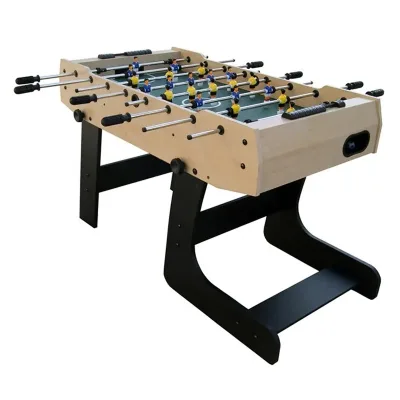


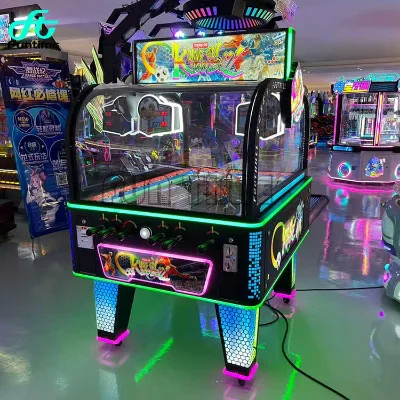


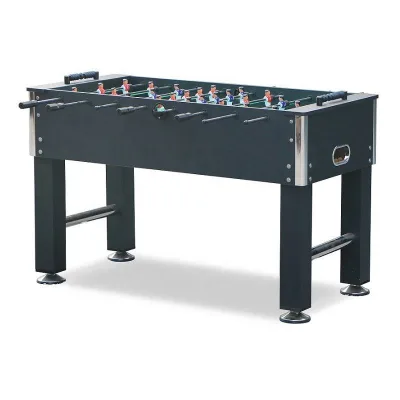
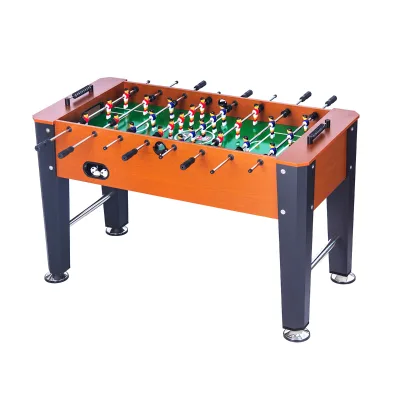
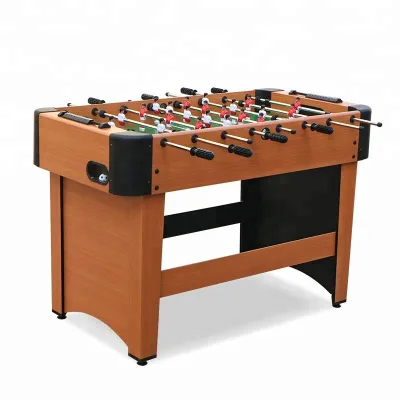
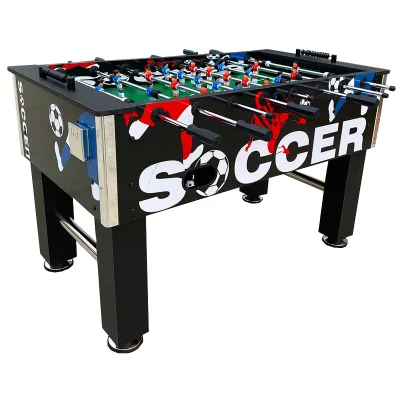
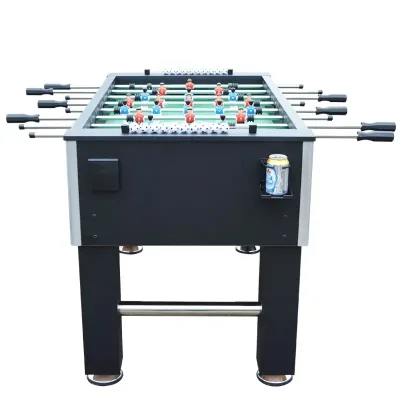
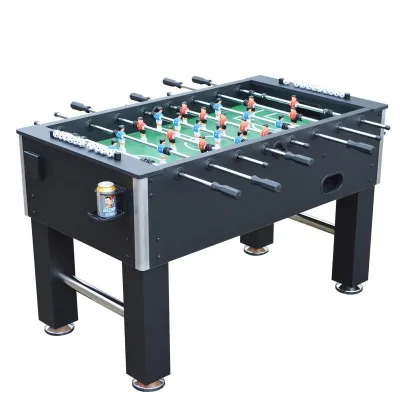
Comprehensive Sourcing Guide
Strategic Sourcing Guide for Indoor Double Player Foosball Tables
Understanding Product Variants and Core Specifications
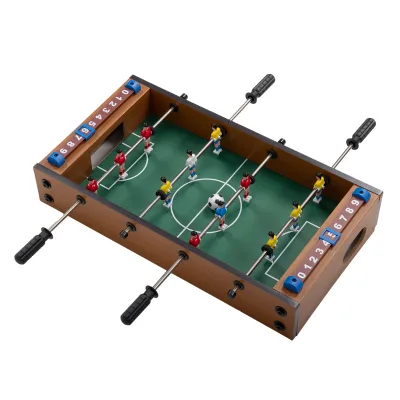
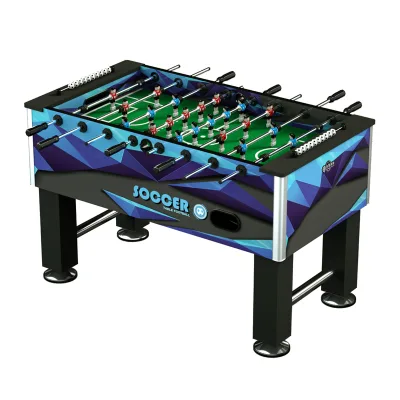
When sourcing indoor double player foosball tables, buyers must first navigate a diverse landscape of product configurations. The market offers units ranging from compact tabletop models to full-sized entertainment systems. Based on observed specifications, the product category includes variations defined by specific model identifiers such as SUF011015, LK054Y20023, and SZX-S12. These identifiers often correlate with distinct physical dimensions and structural designs. A critical observation in the current supply pool is the variance in standard sizes, with documented examples including 42-inch, 48-inch, and 54-inch configurations. The 48-inch model appears frequently, with specific dimensions noted as 48 inches overall, while larger entertainment units reach up to 54 inches in length.
The structural integrity of these tables is heavily influenced by the materials used in their construction. The playfield is a primary component, with specifications indicating the use of 9mm MDF (Medium Density Fiberboard) in several observed listings. This material choice suggests a balance between durability and cost-effectiveness suitable for indoor environments. The table body itself is also constructed from MDF, providing a stable base for the playing rods. In contrast, the rods themselves, often referred to as bars, are manufactured from ABS plastic. This material is selected for its resistance to wear and its ability to maintain smooth rotation over time. The bar count varies significantly between models; some units are configured with six bars, while others feature eight bars, directly impacting the number of players and the complexity of the game mechanics.
The classification of these products further distinguishes them in the procurement process. They are generally categorized as "Standard Foosball" or "Entertainment Soccer Table" units. The intended usage is strictly indoor, designed for adult and child engagement depending on the specific model's height and stability. The overall style can range from "Tabletop" designs, which are suitable for smaller spaces, to full-sized units that require dedicated room allocation. Understanding these physical and functional distinctions is the first step in aligning a procurement order with the intended venue and user demographic.
Technical Dimensions and Structural Design
The physical footprint and internal architecture of an indoor foosball table are paramount for logistics and installation planning. Buyers must verify the overall dimensions against their available floor space. Observed data points to a single package size of approximately 127 cm by 64 cm by 10 cm for certain models, which provides a baseline for shipping volume calculations. However, the assembled dimensions vary, with standards cited as 54 inches by 30 inches by 35 inches for larger units. The playfield size is another critical technical specification, with one observed model listing a play area of 51 cm by 29 cm. This discrepancy between overall table size and playfield size highlights the importance of verifying the exact internal playing surface dimensions to ensure they meet the requirements of competitive play versus casual entertainment.
The leg structure and overall stability are also key technical differentiators. Some models are described with "X leg" configurations, which typically offer enhanced stability and a modern aesthetic compared to traditional straight-leg designs. The color options observed include "burlywood" and "chromatic" finishes, indicating that buyers should expect a range of aesthetic choices rather than a single standard color. The weight of the units is substantial, with a single gross weight recorded at 24.000 kg. This weight is a crucial factor for shipping cost estimation and for ensuring the table remains stationary during vigorous play.
Packaging specifications vary by manufacturer and model, ranging from "Master Carton" and "Plain Cardboard" to "Mail Box" styles. The packaging dimensions are essential for determining the number of units that can be loaded into a standard shipping container. For instance, a single package size of 127x64x10 cm must be considered when calculating container utilization. Buyers should also note that while some listings indicate a "Single item" selling unit, the packaging is designed to protect the MDF components and ABS rods during transit. The "Place of Origin" for these units is consistently noted as China, specifically with references to Anhui, which may influence lead times and logistics planning for international buyers.
Compliance, Certification, and Safety Standards
In the realm of B2B procurement for recreational equipment, compliance and safety standards are non-negotiable, yet specific certification data for these foosball tables is not explicitly detailed in the provided product attributes. Buyers must therefore approach compliance with a verification mindset rather than relying on assumed certifications. The materials used, such as MDF and ABS, are subject to various international regulations regarding formaldehyde emissions and plastic safety. For indoor environments, particularly those frequented by children, the absence of toxic substances is a primary concern.
While the supplied text does not list specific certification bodies or test results, the "Standard" attribute for some models references dimensional standards like "54 INCH" or "48 INCH." These are dimensional standards rather than safety certifications. However, the "prod_standard" field often implies adherence to manufacturing norms for that specific product line. Buyers should request documentation confirming that the MDF used meets E1 or E0 formaldehyde emission standards, which are common benchmarks for indoor furniture in the Asian market. Similarly, the ABS material used for the rods should be verified for impact resistance and non-toxic properties, especially if the target market has strict children's product safety regulations.
The "Classification" of the product as "Standard Foosball" suggests it is intended for general entertainment, but buyers must ensure that the final assembled product complies with local safety regulations regarding small parts, pinch points, and structural stability. The "Age Group" attribute lists both "Adults" and "Children," indicating that some models are marketed for dual-use. This dual marketing necessitates a rigorous safety review to ensure the table does not pose tipping hazards or injury risks to younger users. Procurement teams should require a Declaration of Conformity from the supplier, verifying that the product meets the safety standards of the destination country, such as ASTM F963 in the United States or EN71 in Europe, even if these specific standards are not explicitly listed in the initial product description.
Cost Drivers and Pricing Dynamics
The pricing for indoor double player foosball tables is influenced by a complex interplay of factors, including material quality, dimensions, and customization options. The observed price range in the market spans from 3.9 USD to 1880 USD, a variance that reflects the difference between basic tabletop models and premium, full-sized entertainment units. The lower end of this spectrum likely corresponds to smaller, less durable models with minimal features, while the higher end represents full-sized tables with robust construction, advanced rod systems, and potentially custom branding.
Material costs are a primary driver of price. Tables constructed with thicker MDF playfields and higher-grade ABS rods will command a higher price point. The weight of the unit, observed at 24 kg for certain models, correlates with material density and durability; heavier tables generally cost more due to the increased raw material usage. Additionally, the packaging method affects the final cost. "Master Carton" packaging may be more expensive than "Plain Cardboard" due to the additional materials and labor required for high-quality protection, but it reduces the risk of damage during transit, potentially lowering total landed costs.
Customization is another significant cost variable. The product attributes indicate that customization is "Available" and that the "Logo/graphic design" can be "Customized." While some listings note "Non-Customized" options, the availability of custom branding, colors, and potentially structural modifications will increase the unit price. The Minimum Order Quantity (MOQ) also plays a role in pricing. Observed MOQs range from 1 set to 1000 units. Buyers purchasing small quantities, such as a single set, may face a higher per-unit cost compared to those placing bulk orders that meet higher MOQ thresholds. The "Selling Units" being listed as "Single item" suggests flexibility for small buyers, but volume discounts are likely available for larger procurement volumes.
Supplier Evaluation and Procurement Strategy
Evaluating suppliers for indoor foosball tables requires a focus on reliability, production capacity, and communication. The "Place of Origin" is consistently identified as China, with specific references to Anhui province. This geographic concentration suggests a specialized manufacturing hub for this type of recreational equipment. Buyers should verify the supplier's production history and capacity to ensure they can meet demand without compromising quality. The "Customization" attribute being marked as "Yes" for some models and "Non-Customized" for others indicates that suppliers may offer different tiers of service. Buyers seeking branded products should prioritize suppliers who explicitly offer logo and graphic design customization.
The "Model Number" and "prod_model" fields provide a clear way to track specific product lines. When engaging with suppliers, buyers should request detailed technical drawings and specifications for the specific model numbers they are interested in, such as SUF011015 or LK054Y20023. This ensures that the supplier is quoting on the exact product configuration required. The "Classification" as "Entertainment Soccer Table" implies a focus on leisure markets, so suppliers with experience in the entertainment and hospitality sectors may be better equipped to understand the durability requirements of high-traffic environments.
Communication regarding lead times and logistics is critical. While specific lead times are not provided in the source data, the complexity of the product, which includes wooden components and plastic rods, suggests that production times may vary based on order volume and customization needs. Buyers should establish clear expectations regarding the "Single package size" and "Single gross weight" to accurately calculate shipping costs and container loading plans. The "MOQ" of 1 set offers an entry point for testing the supplier's responsiveness and product quality before committing to larger orders.
Quality Control and Long-Term Procurement Considerations
Ensuring consistent quality in foosball table procurement involves a multi-stage verification process. The "Playboard" thickness of 9mm is a specific attribute that buyers should verify during the quality control phase. This thickness is critical for the longevity of the playing surface and the smoothness of the ball's movement. Any deviation from this specification could indicate a compromise in material quality. Similarly, the "Bar Number" must be verified against the order specifications. A table ordered with eight bars must not be delivered with six, as this fundamentally changes the gameplay and the product's value proposition.
Long-term procurement considerations include the availability of spare parts and the durability of the components. The "Table Material" being MDF means that the tables are susceptible to moisture damage if not properly treated or if used in humid environments. Buyers should inquire about the finish and treatment applied to the MDF to ensure it can withstand the rigors of indoor use. The "Usage" as "Indoor Table Football Game" reinforces the need for moisture-resistant treatments. Additionally, the "Weight" of 24 kg suggests a sturdy build, but buyers should verify the stability of the "X leg" or other leg structures to prevent tipping during intense play.
Sustainability and end-of-life considerations are becoming increasingly important in B2B procurement. The use of MDF and ABS plastics presents recycling challenges. Buyers should ask suppliers about the recyclability of the materials and whether they offer take-back programs or use sustainable sourcing practices. The "Packing" method, whether "Carton Packing" or "Mail Box," should also be evaluated for its environmental impact. Opting for suppliers who use recyclable packaging materials can align with corporate sustainability goals.
Finally, the "Application" of the product as "Entertainment" suggests that it will be used in various settings, from homes to commercial venues. Buyers should ensure that the product meets the durability requirements of the intended environment. For commercial use, the "Age Group" of "Adults" and "Children" implies that the table must withstand heavy, frequent use. Establishing a long-term relationship with a supplier who can provide consistent quality and support for warranty claims is essential for maintaining a reliable inventory of recreational equipment. By focusing on these technical and operational details, buyers can mitigate risks and ensure a successful procurement outcome for indoor double player foosball tables.
Comparative Analysis of Key Product Attributes
To facilitate decision-making, the following table summarizes the key attributes observed in the product data, highlighting the variations buyers must navigate.
| Attribute Category | Observed Variations | Procurement Implication |
|---|---|---|
| Dimensions | 42 inch, 48 inch, 54 inch | Verify floor space requirements; 48" is common, 54" for premium. |
| Playfield Material | 9mm MDF | Ensure moisture resistance; critical for durability. |
| Rod Material | ABS | Check for impact resistance and smooth rotation. |
| Bar Count | Six, Eight | Determines player count and gameplay complexity. |
| Leg Style | X leg, Standard | Affects stability and aesthetic; X leg offers better stability. |
| Packaging | Master Carton, Mail Box, Plain Cardboard | Impacts shipping cost and damage risk. |
| Weight | 24 kg (Single Gross Weight) | Critical for logistics and floor load calculations. |
| Customization | Available / Non-Customized | Affects unit price and lead time; verify logo capabilities. |
| Origin | China (Anhui) | Standard for this category; verify logistics capabilities. |
| Model Numbers | SUF011015, LK054Y20023, SZX-S12 | Use for precise tracking and specification matching. |
This comparative view underscores the necessity of detailed specification checks before finalizing any procurement order. The variance in these attributes means that a "one-size-fits-all" approach is ineffective; buyers must align their specific needs with the exact product configuration offered by the supplier.
FAQs
What materials are used for the playfield and rods?
The playfield is constructed from 9mm MDF, while the rods are made of ABS plastic. This combination ensures durability and smooth rotation suitable for indoor entertainment use.
Which standard sizes are available for these tables?
Standard sizes include 42-inch, 48-inch, and 54-inch configurations. Specific models like SUF011015 offer 48-inch dimensions, while others reach up to 54 inches for larger entertainment spaces.
Can buyers customize the logo or graphic design?
Yes, customization is available for logo and graphic design on select models. Some listings indicate non-customized options, but buyers can request branded finishes depending on the specific supplier.
What is the typical weight and packaging for shipping?
Units typically weigh around 24 kg with a single package size of 127x64x10 cm. Packaging varies from master cartons to plain cardboard or mail boxes to protect the MDF and ABS components.
How many bars do the different models feature?
Models vary between six bars and eight bars depending on the configuration. The bar count impacts the number of players and the complexity of the game mechanics for indoor soccer.
What is the minimum order quantity for purchasing?
The minimum order quantity ranges from 1 set to 1000 units depending on the supplier. Small buyers can order single items, while bulk orders may access different pricing tiers.